Investing in Turmoil: Who Profits from Iran's Geopolitical Tensions?
The Middle East, a perpetual crucible of geopolitical dynamics, frequently draws global attention, none more so than the evolving situation surrounding Iran. The continuous ebb and flow of tensions – rooted in regional power struggles, Iran's nuclear ambitions, and the looming specter of military confrontation involving nations like Israel and the United States – inevitably cast long shadows over financial markets. For investors, the critical question transcends military strategy; it delves deep into the economic fallout. The term "Iran oorlog economie" (Iran war economy) perfectly encapsulates how the mere *threat* of conflict, rather than just outright war, instigates significant shifts in global economic landscapes, creating both widespread uncertainty and distinct pockets of opportunity.
The Volatility Nexus: Energy, Inflation, and Investor Confidence
The moment the likelihood of a broader conflict involving Iran increases, uncertainty becomes the dominant market sentiment. This volatility immediately translates into tangible economic impacts, primarily revolving around three pivotal factors: energy prices, inflation, and investor confidence.
At the heart of Iran's strategic economic importance lies its proximity to the Strait of Hormuz. This narrow waterway, a chokepoint between the Persian Gulf and the open ocean, is arguably the world's most critical oil transit point. An astonishing one-fifth of the globe's total oil trade, equivalent to roughly 21 million barrels per day, passes through this strait. Any credible threat to its stability, even without an actual blockade, is sufficient to trigger a substantial geopolitical risk premium in crude oil prices. Futures markets react instantaneously, pricing in higher risks and leading to sharp, often double-digit percentage increases in Brent and WTI crude oil benchmarks within a short timeframe. This immediate upward surge directly impacts global supply chains, increasing operational costs for businesses worldwide and placing an inflationary burden on consumers. For a deeper dive into these market dynamics, explore our related article:
Iran Conflict: Economic Fallout on Oil, Markets, and Investors.
Beyond energy, the inflationary ripple effect is profound. Higher oil and gas prices escalate the cost of transportation, manufacturing, and agricultural production. This broad-based cost increase erodes purchasing power, potentially dampening consumer demand and overall economic growth. Central banks, tasked with maintaining price stability, may respond with tighter monetary policies, such as interest rate hikes, which can further cool economic activity and impact equity markets. Lastly, dwindling investor confidence is a natural consequence of heightened geopolitical risk. Uncertainty often prompts a "flight to safety," with capital flowing away from riskier assets like stocks and towards traditional safe havens such as gold, government bonds, and certain stable currencies. This shift can starve growth-oriented sectors of much-needed capital, hindering innovation and expansion.
Structural Beneficiaries: Energy Giants and Defense Contractors
While the broader economy grapples with the repercussions of geopolitical tensions, specific sectors often emerge as clear, albeit controversial, beneficiaries.
**Energy Producers:** Large, integrated international energy companies are among the first to see their fortunes improve. Many of these giants are structured to be highly profitable when oil prices hover around $60-$70 per barrel. When geopolitical events push prices significantly above this threshold, their free cash flow tends to increase disproportionately. This newfound financial strength provides ample room for higher dividend payouts, aggressive share buyback programs (which boost shareholder value), and accelerated debt reduction. For example, a 10-15% jump in oil prices can translate into billions in additional revenue, significantly bolstering balance sheets and market valuations. However, it's crucial to remember that energy stocks remain cyclical and are ultimately sensitive to global economic growth prospects; prolonged high prices can eventually suppress demand. Further insights into this phenomenon are available in:
Oil & Gas Prices Surge: Understanding Iran's Global Economic Impact.
**Natural Gas and LNG Infrastructure:** Europe, in particular, remains vulnerable to disruptions in energy supply, a lesson starkly reinforced by recent geopolitical events. This vulnerability drives significant investment in diversifying energy sources and bolstering energy security. Consequently, companies active in the liquefied natural gas (LNG) sector – from producers and liquefaction facilities to shipping and regasification terminals – see their strategic importance, and thus their market valuation, surge. Similarly, enterprises focused on gas storage and transportation infrastructure across continents become critical components of national energy resilience strategies.
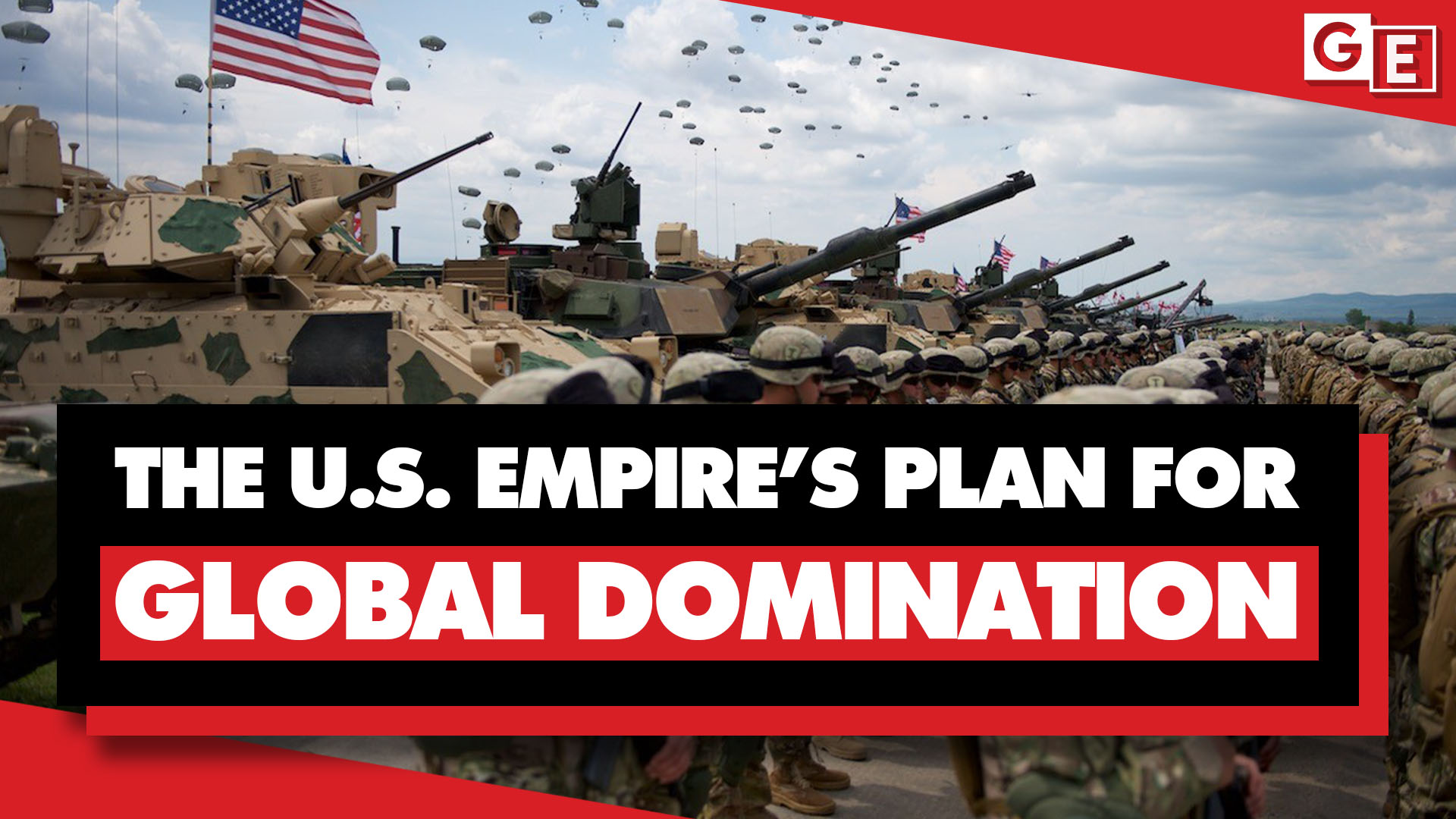
**Defense and Aerospace Contractors:** The "Iran oorlog economie" narrative is perhaps most directly applicable to the defense industry. When threats escalate, the political will to increase defense budgets follows suit almost invariably. NATO member states, for instance, have already committed to spending at least 2% of their GDP on defense, and new tensions serve as a powerful catalyst for accelerating these investments. Defense contractors benefit from increased orders for new weaponry, upgrades to existing systems, advanced surveillance technology, cybersecurity solutions, and expanded research and development (R&D) projects. These contracts are often long-term, providing significant revenue visibility and a robust pipeline of work for years to come. Companies producing everything from advanced fighter jets and missile defense systems to secure communications and satellite technology experience heightened demand, making them structural winners in an era of heightened geopolitical instability.
Navigating the Turbid Waters: Investor Strategies and Considerations
Investing during times of geopolitical turmoil requires a nuanced approach, balancing potential gains with inherent risks. While specific sectors may thrive, the broader economic landscape can be fraught with peril.
**Key Risks for Investors:**
* **Global Economic Slowdown:** Prolonged high energy prices and pervasive uncertainty can significantly dampen global economic growth, impacting all but the most defensive sectors.
* **Unpredictability:** Geopolitical events are inherently unpredictable. A sudden de-escalation can reverse market trends just as quickly as an escalation sets them in motion.
* **Supply Chain Disruptions:** Beyond energy, the disruption of key shipping lanes or manufacturing hubs due to conflict can create widespread shortages and economic bottlenecks.
* **Ethical Considerations:** Investing in "war economy" beneficiaries may raise ethical questions for some investors, necessitating a review of their ESG (Environmental, Social, Governance) criteria.
**Beyond Direct Beneficiaries: Opportunities in Times of Crisis:**
* **Safe-Haven Assets:** Gold, historically a store of value during uncertainty, often sees its demand and price rise. Certain government bonds from politically stable nations (e.g., US Treasuries, German Bunds) and currencies like the Swiss Franc or Japanese Yen can also act as safe havens.
* **Cybersecurity:** As geopolitical tensions intensify, so does the risk of cyberattacks on critical infrastructure, government agencies, and corporations. Companies offering robust cybersecurity solutions become increasingly vital.
* **Certain Technology Sectors:** While broadly impacted by economic slowdowns, specific tech niches like satellite communications, advanced surveillance, and AI-driven intelligence tools can see increased government and defense spending.
**Practical Tips for Astute Investors:**
* **Diversification is Paramount:** Never put all your eggs in one basket. A diversified portfolio, spread across various asset classes, geographies, and sectors, helps cushion against sudden shocks.
* **Maintain a Long-Term Perspective:** Avoid making impulsive decisions based on daily headlines. Geopolitical events often create short-term market noise; a focus on long-term fundamental value is key.
* **Conduct Thorough Due Diligence:** Understand the underlying businesses you're investing in. Are they truly benefiting from the current climate, or are they susceptible to broader economic headwinds?
* **Implement Robust Risk Management:** Use strategies like position sizing (limiting the percentage of your portfolio in any single asset) and considering stop-loss orders to protect capital.
* **Stay Informed and Critically Analyze Information:** Geopolitical analysis isn't just for politicians; it's a crucial component of informed investing in today's interconnected world. Understand the narratives, but also question them.
In conclusion, the ongoing geopolitical tensions surrounding Iran create a complex and often perilous investment environment. While the threat of conflict, central to the "Iran oorlog economie," can trigger broad market uncertainty and inflationary pressures, it simultaneously carves out distinct opportunities for specific sectors. Energy companies, gas infrastructure providers, and defense contractors often stand to profit significantly from heightened risk premiums and increased government spending. However, wise investors must navigate these turbulent waters with a clear understanding of both the potential rewards and the inherent risks, prioritizing diversification, long-term vision, and diligent analysis to build resilient portfolios in an ever-changing world.