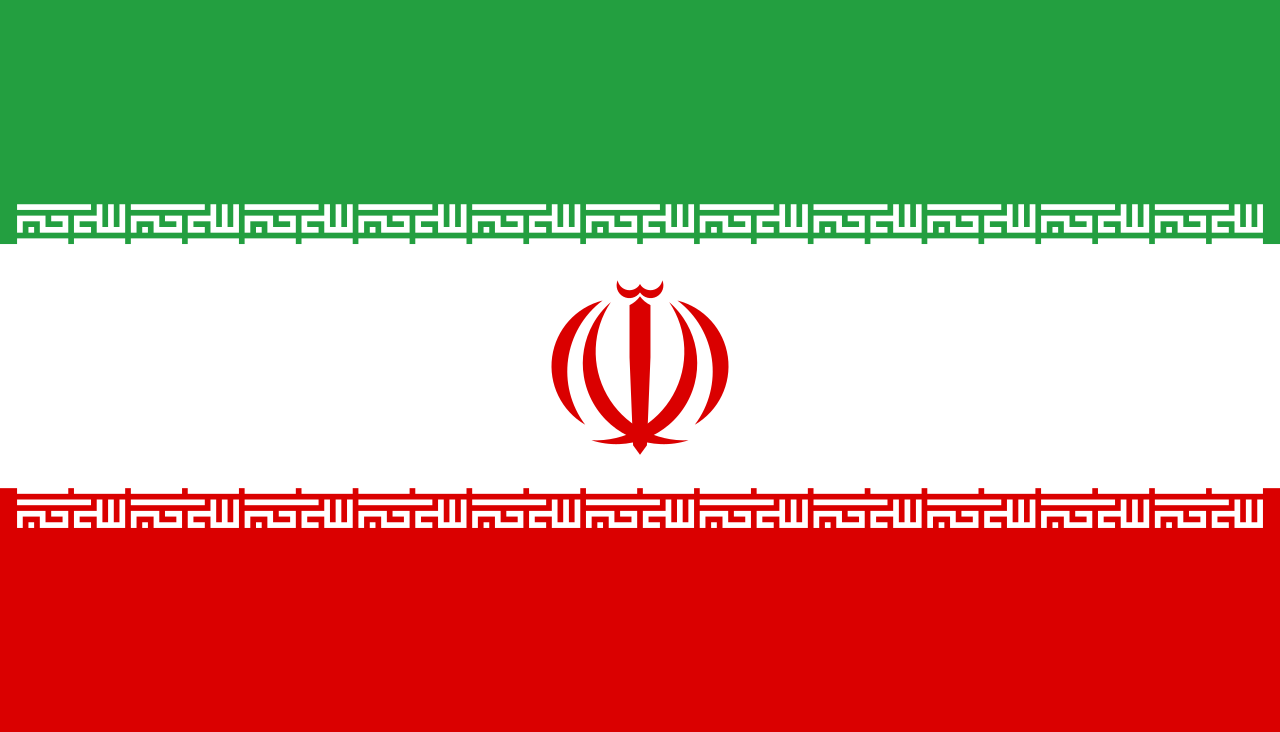
Oil & Gas Prices Surge: Understanding Iran's Global Economic Impact
The global economic landscape often shifts dramatically at the intersection of geopolitics and natural resources. Currently, few nations embody this more acutely than Iran, whose strategic position and geopolitical tensions frequently send ripples through international markets. The recent surge in oil and gas prices, coupled with heightened financial market volatility, stands as a stark reminder of Iran's outsized influence. Understanding the potential ramifications of an
Iran conflict economy – what many might refer to as an "Iran oorlog economie" – is crucial for businesses, investors, and policymakers alike. This article delves into the mechanisms by which tensions involving Iran translate into economic shocks, exploring their impact on energy, inflation, and global confidence.
The Geopolitical Crucible: Iran's Role in Global Energy Dynamics
The recurring drumbeat of heightened alerts around Iran is not merely a regional concern; it's a global economic flashpoint. At its core, the tension revolves around Iran's nuclear ambitions, its burgeoning missile development programs, and the delicate balance of power in the Middle East, often involving key players like Israel and the United States. Western governments have meticulously monitored Iran's uranium enrichment and rocketry for years, with the potential reach of these capabilities towards Europe being a consistent point of worry.
This constant state of vigilance creates an environment of profound uncertainty, which financial markets inherently dislike. For investors, the critical question extends beyond military might; it's fundamentally economic. As the probability of a broader conflict escalates, so does market anxiety. This uncertainty almost immediately translates into higher energy prices, increased volatility across stock markets, and a predictable "flight to safety" as capital seeks less risky havens. The economic fallout from potential conflict around Iran, therefore, fundamentally hinges on three interconnected factors:
energy, inflation, and trust in global stability. Even the specter of an "Iran oorlog economie" is enough to reshape market sentiment and investment decisions worldwide.
From Strait to Spikes: How Iran Influences Oil & Gas Markets
Iran's strategic geographical location is perhaps its most significant lever on the global economy. Crucially, the nation sits adjacent to the Strait of Hormuz, a narrow maritime chokepoint through which approximately one-fifth of the world's total oil supply passes daily. Any credible threat to this vital shipping lane, whether from direct action or heightened naval presence, immediately triggers a substantial geopolitical risk premium in oil prices. Even the *threat* of disruption, without an actual blockade, is often sufficient for traders to demand higher prices for future deliveries.
Oil prices are typically the first to react to any escalation in the Middle East. Futures markets instantly price in increased risk, leading to sharp upward movements in benchmark crude oils like Brent and WTI. Historical data shows that a surge of ten to fifteen percent in a short period is not uncommon during serious geopolitical tensions. For instance, recent reports indicate Brent crude quickly shot towards the $75 per barrel mark following specific attacks in the region, illustrating the immediate market reaction.
Beyond oil, gas producers also stand to benefit, particularly those catering to Europe. Still vulnerable to disruptions in energy supply, European nations are heavily investing in diversifying their energy sources. Companies involved in liquefied natural gas (LNG), storage solutions, and transport infrastructure often see their strategic importance amplified during such periods. In an environment where energy security is paramount, these enterprises frequently receive higher valuations on stock exchanges, reflecting their critical role.
For large international energy concerns, higher prices translate into significantly improved profitability. Many major oil companies achieve robust profitability when crude oil trades around sixty to seventy dollars per barrel. When prices exceed these levels significantly, their free cash flow tends to increase disproportionately. This creates ample scope for greater dividends, share buybacks, and accelerated debt reduction, rewarding shareholders in the short term. However, it's vital to remember that these gains can be cyclical and sensitive to overall macroeconomic health.
Ripple Effects: Inflation, Investment, and the Broader Economy
While specific energy and defense sectors might experience a boom, the broader economic consequences of an "Iran oorlog economie" or sustained tensions are less sanguine. Higher energy prices act as a direct inflationary force. They increase operational costs for businesses across almost every sector – from manufacturing to transportation – and erode consumer purchasing power. This inflationary pressure can stifle economic activity, as businesses pass on costs, and consumers tighten their belts.
A prolonged or intensified conflict scenario can significantly impede global economic growth. Sustained high energy prices can lead to "demand destruction," where the cost becomes so prohibitive that overall consumption falls, further slowing economic expansion. Stock markets beyond the energy sector tend to react with increased volatility, as uncertainty about corporate earnings and future growth prospects takes hold. This often precipitates a flight to traditional safe-haven assets, such as gold or certain government bonds, as investors seek to preserve capital.
Paradoxically, alongside the energy sector, defense companies typically emerge as structural beneficiaries of geopolitical tensions. When threats escalate, political willingness to increase defense budgets rises commensurately. NATO member countries have already been boosting their military expenditures in recent years, but new tensions can accelerate further investments in military hardware, technology, and services. This creates a predictable boost for the aerospace and defense industries, as highlighted in related analyses such as
Investing in Turmoil: Who Profits from Iran's Geopolitical Tensions?, which explores these market dynamics in detail.
Navigating Uncertainty: Strategies for Businesses and Investors
In an environment frequently influenced by the dynamics of an *Iran oorlog economie*, prudent planning becomes paramount for both businesses and investors.
For Businesses:
- Supply Chain Resilience: Diversifying suppliers and establishing contingency plans for critical raw materials, especially those linked to energy-intensive production or transport, is crucial.
- Energy Efficiency: Investing in technologies and processes that reduce energy consumption can provide a buffer against price spikes and contribute to long-term sustainability.
- Hedging Strategies: Utilizing financial instruments to hedge against volatile energy prices can mitigate risk, though it requires careful management and understanding of market dynamics.
- Cost Management: Implementing robust cost control measures across all operations helps maintain profitability during periods of increased input costs.
For Investors:
- Diversification: Spreading investments across various asset classes, geographies, and sectors can help mitigate the impact of localized shocks.
- Strategic Sector Allocation: While energy and defense sectors may see short-term gains, a balanced approach considers their cyclical nature and the broader economic outlook. Investors might explore opportunities in renewables, which offer long-term growth potential and energy independence.
- Risk Management: Establishing clear risk parameters and adhering to them is vital. This includes setting stop-loss orders and rebalancing portfolios regularly.
- Long-Term Perspective: Avoiding knee-jerk reactions to daily headlines and focusing on long-term investment goals can prevent emotional decision-making.
Understanding the complex interplay between geopolitical events and financial markets is key. For more in-depth analysis on how to navigate these turbulent waters, consider resources like
Iran Conflict: Economic Fallout on Oil, Markets, and Investors, which provides valuable perspectives on managing the impact of such tensions.
Conclusion
The economic influence of Iran, particularly its capacity to trigger significant shifts in global oil and gas prices, remains undeniable. The ongoing geopolitical tensions surrounding the nation serve as a powerful catalyst for market volatility, directly impacting energy costs, global inflation rates, and overall investor confidence. The dynamics of an "Iran oorlog economie" – where the mere threat of conflict shapes market realities – underscore the interconnectedness of international relations and financial stability. As the world navigates these intricate challenges, understanding Iran's pivotal role and its potential to reshape energy markets will be essential for formulating resilient economic strategies and fostering adaptable investment approaches in an ever-unpredictable world.