The Ripple Effect: Iran Conflict's Economic Fallout on Oil, Markets, and Investors
The intricate dance between geopolitics and global economics is perhaps nowhere more evident than in the ongoing tensions surrounding Iran. As a nation strategically positioned at the crossroads of vital trade routes and a significant player in the global energy landscape, any escalation in the Iran conflict sends immediate tremors through financial markets worldwide. From surging oil prices to heightened market volatility and a decisive shift in investor sentiment, the economic fallout is complex, presenting both profound risks and, for some, unique opportunities. Understanding the dynamics of the Iran war economy requires a closer look at key factors: energy, inflation, and investor confidence.
Recent developments, often revolving around Iran's nuclear program, missile capabilities, and regional power struggles involving nations like Israel and the United States, continuously keep Western governments and financial analysts on high alert. The mere prospect of a broader military confrontation can trigger an immediate re-evaluation of global economic stability, fundamentally altering the calculus for businesses and investors alike. This inherent uncertainty translates rapidly into tangible economic impacts, primarily manifesting in energy markets and equity performance.
The Strait of Hormuz: A Global Oil Chokepoint Under Threat
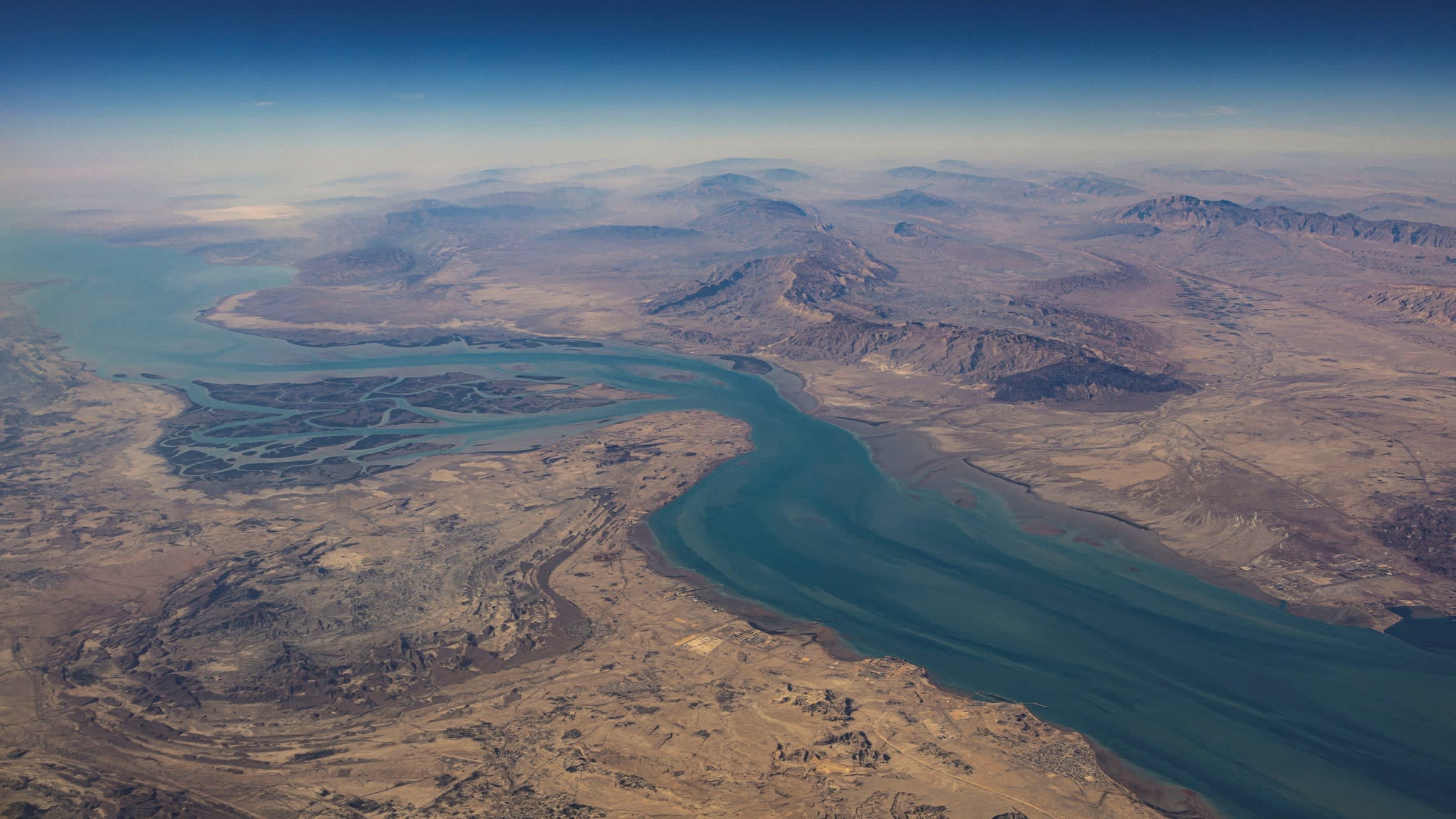
At the heart of Iran's geopolitical significance lies its proximity to the Strait of Hormuz. This narrow waterway, connecting the Persian Gulf to the open ocean, is arguably the world's most critical oil chokepoint. An astonishing one-fifth of global oil trade, equating to millions of barrels per day, transits through this vital artery. Any threat to the free passage of vessels through the Strait of Hormuz, whether perceived or actual, injects an immediate geopolitical risk premium into oil prices.
Even without an outright blockade or military action, the simple threat of disruption is often enough to send crude oil futures soaring. Traders, anticipating potential supply shortages and logistical challenges, are willing to pay higher prices for future deliveries, leading to sharp upward movements in benchmark crude oils like Brent and WTI. History shows that serious escalations in the Middle East can lead to a rapid increase of ten to fifteen percent in oil prices within a short period, with Brent crude recently spiking towards $75 a barrel during periods of heightened tension.
This immediate surge in oil prices has a dual effect. On one hand, it serves as a bellwether for increased global economic instability, signaling higher energy costs for consumers and businesses. On the other, it creates significant profitability boosts for major energy companies. Many international oil producers operate profitably when crude hovers around $60-70 per barrel. When prices jump significantly above this threshold, their free cash flow can increase disproportionately, providing avenues for higher dividends, share buybacks, and debt reduction. Gas producers also benefit, particularly in Europe, which remains vulnerable to energy supply disruptions and continues to diversify its sources. Companies involved in liquefied natural gas (LNG), storage, and transport see their strategic importance, and thus their market valuation, rise in an environment prioritizing energy security.
Market Volatility, Inflation, and the Search for Safe Havens
Beyond the immediate impact on energy markets, the Iran conflict injects a pervasive sense of uncertainty across all financial markets. This heightened uncertainty almost inevitably leads to increased market volatility, particularly in equity markets. Investors become more risk-averse, prompting a sell-off in growth stocks and a reallocation of capital. The perceived risk of a broader conflict directly impacts investor confidence, a crucial driver of economic activity and asset prices.
Higher energy prices, a direct consequence of geopolitical tensions, fuel inflationary pressures across the global economy. Increased transportation costs for goods, higher manufacturing expenses, and greater utility bills for households can erode purchasing power and dampen consumer demand. Central banks, already grappling with inflation targets, might face renewed pressure to tighten monetary policy, potentially slowing economic growth further. This dynamic creates a challenging environment for businesses and a dilemma for policymakers.
In such tumultuous times, there's a predictable flight to safety. Investors often reallocate funds from riskier assets like stocks to traditional safe havens. Government bonds, particularly those from stable economies, often see increased demand, driving yields down. Precious metals like gold also typically benefit, serving as a reliable store of value when confidence in conventional financial assets wanes. Certain currencies, such as the US Dollar and Swiss Franc, can also strengthen as investors seek stability.
Winners and Losers: Sector-Specific Impacts and Investment Insights
While the overall market reaction to the Iran conflict tends to be negative, leading to broader economic headwinds, a closer look reveals distinct winners and losers among various sectors. This divergence highlights where investors might find both risks and opportunities during periods of geopolitical unrest.
Winners:
- Energy Companies: As discussed, oil and gas majors, as well as companies involved in LNG, storage, and transport, often see significant boosts to their profitability and stock valuations. The geopolitical risk premium in crude prices directly benefits their bottom lines.
- Defense Contractors: Geopolitical tensions invariably lead to increased defense spending. NATO countries, already committed to raising their defense budgets in recent years, are likely to accelerate these investments in response to new threats. Companies manufacturing weapons systems, cybersecurity solutions, and military technology stand to gain substantially from these increased expenditures. This makes them structural winners in an era of heightened global instability. If you're interested in who benefits financially, read more in Investing in Turmoil: Who Profits from Iran's Geopolitical Tensions?
- Precious Metals & Safe-Haven Assets: Gold, silver, and other precious metals historically perform well during periods of market uncertainty and inflation. They offer a tangible store of value that can mitigate losses from volatile equity markets.
Challenges/Losers:
- Global Economic Growth: A prolonged or widespread conflict can severely dent global economic growth. Higher energy prices act as a tax on consumers and businesses, reducing disposable income and corporate profits. Supply chain disruptions, often a consequence of regional instability, can further exacerbate economic slowdowns.
- Consumer Discretionary Sector: Companies reliant on strong consumer spending, such as retailers, travel, and hospitality, are vulnerable. Inflation and economic uncertainty make consumers more cautious with their discretionary purchases.
- Cyclical Stocks: While energy stocks are cyclical, their immediate benefits from conflict can be offset if the broader economic slowdown severely reduces demand for their products in the long run. Other highly cyclical sectors, sensitive to the macro-economic outlook, also face headwinds.
Navigating the Geopolitical Storm: Tips for Investors
For investors, successfully navigating the economic fallout of the Iran conflict requires a strategic, long-term perspective combined with a keen eye on short-term developments. Here are some practical tips:
- Diversify Your Portfolio: A well-diversified portfolio across various asset classes (equities, bonds, commodities, real estate) and geographies can help mitigate risk during periods of high volatility.
- Monitor Geopolitical Developments: Stay informed about the evolving situation in the Middle East. Geopolitical news can have an immediate impact on market sentiment and asset prices.
- Consider Hedging Strategies: For those with significant exposure, options and futures contracts can be used to hedge against potential downturns in specific sectors or the broader market.
- Focus on Quality and Resilience: During uncertain times, companies with strong balance sheets, consistent earnings, and essential products or services tend to be more resilient.
- Allocate to Defensive Sectors: While energy and defense can be opportunistic, other defensive sectors like healthcare, utilities, and consumer staples often provide stability during economic downturns, as demand for their products remains relatively constant.
- Re-evaluate Risk Tolerance: Geopolitical events are a good reminder to revisit your personal risk tolerance and adjust your investment strategy accordingly.
Conclusion
The Iran conflict, encompassing nuclear ambitions, regional power dynamics, and the critical Strait of Hormuz, casts a long shadow over the global economy. Its profound economic fallout, particularly on oil prices, financial markets, and investor behavior, underscores the intricate and often unpredictable relationship between geopolitics and prosperity. While the immediate consequences often include heightened inflation, market volatility, and a flight to safety, strategic investors can identify sectors that either thrive or prove resilient amidst the turmoil. Understanding these complex interdependencies is crucial for businesses and investors seeking to navigate the challenging landscape shaped by the Iran oorlog economie.